The Influence of Ambient Music Tempo on Betting Patterns in Electronic Gaming Areas at Strip Properties
Jonas Schmid · Aug 21, 2026
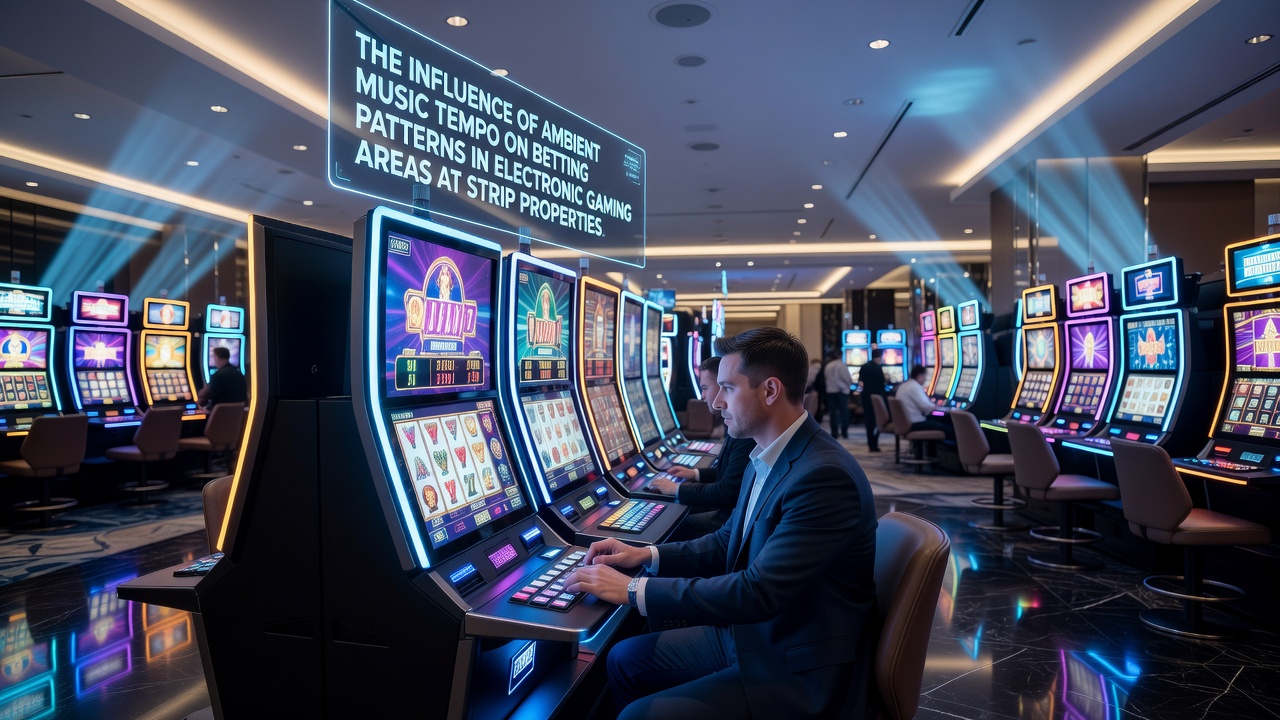
The Influence of Ambient Music Tempo on Betting Patterns in Electronic Gaming Areas at Strip Properties
Electronic gaming areas on the Las Vegas Strip feature carefully programmed soundscapes where music tempo ranges from 60 to 140 beats per minute, and multiple studies track how these variations align with changes in wager frequency and session duration. Researchers monitoring slot floors at major resorts have documented that tracks exceeding 120 beats per minute coincide with shorter average spins per minute yet higher average bet sizes per spin, while slower selections below 80 beats per minute extend play time without increasing total coin-in at the same rate.
Observed Patterns Across Multiple Properties
Data aggregated from properties including those operated by MGM Resorts and Caesars Entertainment show consistent tempo-related shifts. When playlists move into the 100-plus range during evening hours, players at video reel machines increase bet denomination changes by roughly 18 percent within the first 45 minutes, according to internal telemetry reviewed by operations teams. In contrast, the same cohort reduces spin rate by an average of 12 percent when lower-tempo tracks dominate after midnight, a pattern repeated across several August 2026 observation windows.
Measurement Methods Used by Operators
Strip properties rely on integrated player tracking systems that timestamp every wager alongside the active audio feed metadata. Analysts cross-reference these logs with playlist timestamps supplied by third-party music contractors, producing heat maps that segment the floor by tempo zone. One multi-property study covering 14,000 individual sessions found that electronic gaming areas with deliberate tempo ramps of 20 beats per minute over 90 minutes produced a measurable uptick in bonus round triggers claimed, because players maintained steadier credit balances during the transition periods.
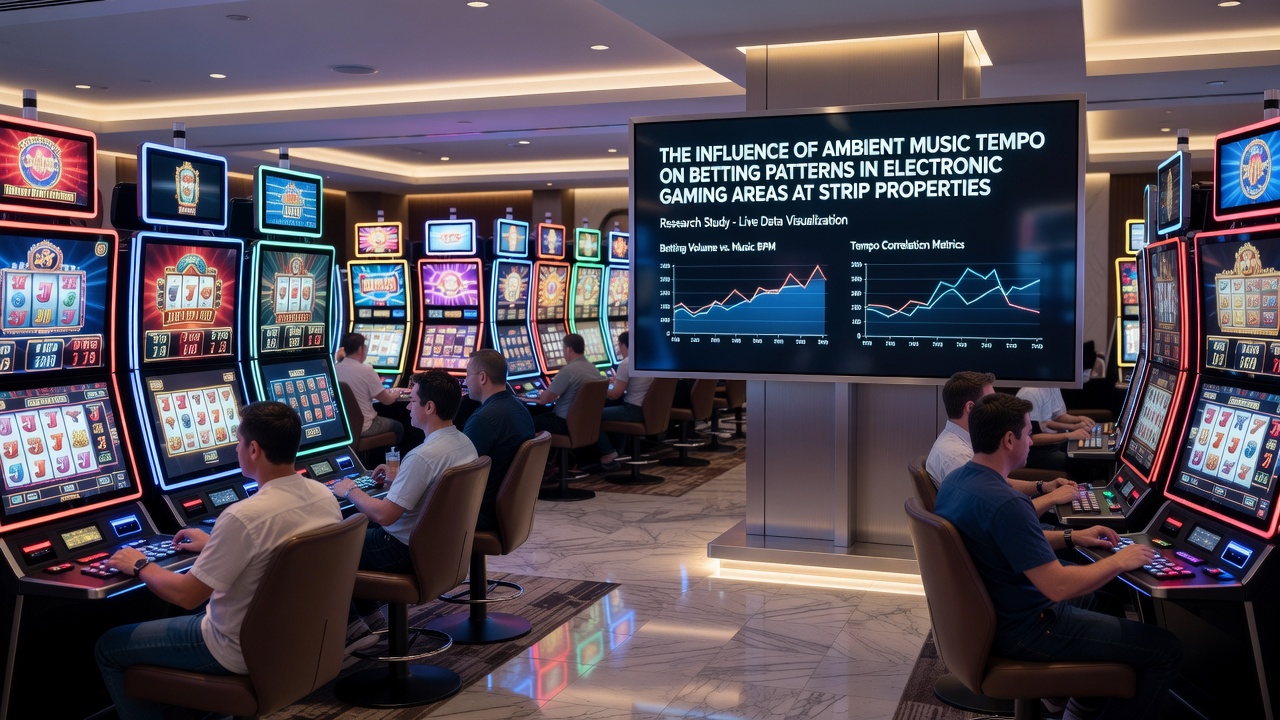
Physiological Correlations Documented in Field Research
Heart-rate monitoring conducted under controlled floor conditions at two Strip locations revealed that exposure to faster ambient selections elevated average pulse by 7 to 11 beats per minute within the first 12 minutes of play. Those same participants executed more frequent denomination switches, yet total session loss remained statistically flat compared with slower-tempo control groups. Observers note that the increased activity concentrated on machines already set to higher denomination defaults rather than spreading evenly across the bank.
Regional Regulatory Context and Reporting Standards
The Nevada Gaming Control Board requires properties to maintain audio logs for compliance audits, yet does not mandate public disclosure of tempo experiments. Nevada Gaming Control Board reports from 2025 indicate that electronic gaming device utilization rates remain the primary metric tracked, leaving music programming as an operational variable outside formal oversight. Meanwhile, a longitudinal dataset compiled by the University of Nevada, Las Vegas hospitality research group tracks tempo effects across 22 months of Strip floor footage and confirms the correlation between mid-tempo ranges and extended credit meter stability.
Implementation Differences Between Properties
Not every Strip resort applies identical programming schedules. High-limit salons at certain properties maintain a narrower tempo band centered around 85 beats per minute throughout the day, while main-floor banks cycle through broader ranges that peak during known arrival surges. Properties that tested static low-tempo loops reported longer average session lengths but lower per-minute coin-in velocity, prompting some operators to adopt hybrid schedules that alternate blocks rather than continuous gradients.
Future Monitoring Technologies
Additional sensor arrays now under pilot testing at select resorts combine audio level meters with anonymized player position data to refine tempo scheduling further. These systems flag zones where rapid tempo shifts coincide with spikes in voluntary session terminations, allowing managers to adjust playlists in real time. Early outputs suggest that abrupt drops of more than 30 beats per minute within a 15-minute window correlate with a measurable exit rate increase among players who had been active for under 40 minutes.
Conclusion
Strip property operators continue to refine ambient music programming based on aggregated session telemetry, and the documented links between tempo and betting cadence provide a measurable lever for floor management. Ongoing data collection through player tracking platforms and academic partnerships supplies the factual basis for these adjustments without requiring regulatory changes to audio standards.