Slot Reel Alignment Algorithms and Their Role in Shaping Extended Play Durations at Mid-Tier Venues
Zara Vogel · Jul 26, 2026
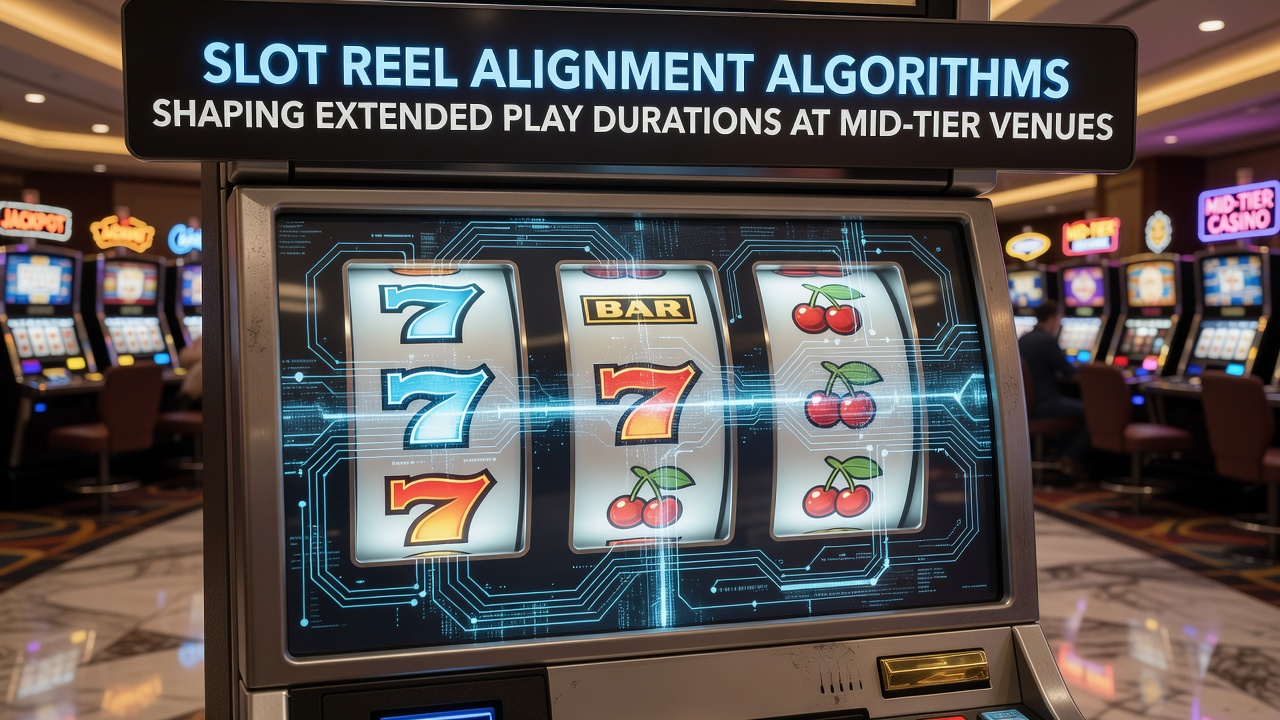
Slot Reel Alignment Algorithms and Their Role in Shaping Extended Play Durations at Mid-Tier Venues
Slot reel alignment algorithms operate as core components within modern gaming machines, determining the precise stopping positions of virtual reels after each spin initiates through random number generator outputs. These systems coordinate with software protocols to ensure symbol combinations appear in sequences that comply with regulatory payout standards, and observers note how such coordination directly correlates with session length patterns recorded at mid-tier casino properties across various jurisdictions.
Mechanics of Reel Alignment in Digital Slot Systems
Modern slot platforms rely on pseudo-random number generators that select stop positions from extensive virtual reel strips, after which alignment algorithms map those selections onto the visible display grid. Data from industry reports indicate that these mapping processes incorporate weighted symbol distributions designed to balance hit frequencies with overall return-to-player percentages, and researchers have documented how minor adjustments in alignment parameters can shift average player engagement intervals by measurable margins at venues operating between 500 and 2000 machines.
Alignment protocols further integrate near-miss configurations where symbols land adjacent to winning lines without completing payouts, a technique that multiple technical studies link to prolonged decision-making cycles among players. Gaming laboratories certified under standards from bodies such as the Nevada Gaming Control Board verify these configurations during machine testing phases, confirming adherence to fairness thresholds before deployment at mid-tier sites.
Session Duration Patterns at Mid-Tier Locations
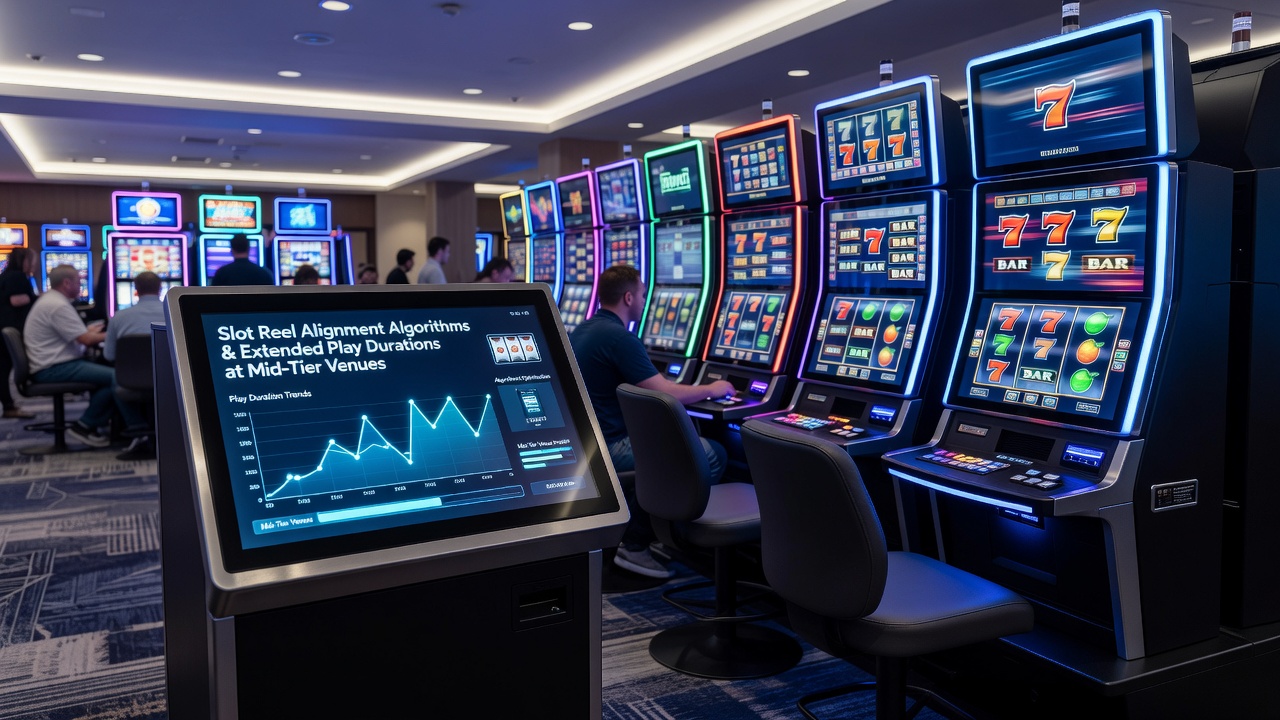
Mid-tier venues, typically defined by regional market analysts as properties generating between $50 million and $200 million in annual gaming revenue, exhibit distinct play duration profiles compared to larger resort complexes or smaller local establishments. Figures compiled through player tracking systems reveal that machines employing refined reel alignment sequences often sustain active sessions exceeding 45 minutes at higher rates than those with basic random stop distributions.
Operators at these properties adjust reel mapping weights seasonally to align with visitor traffic fluctuations, and evidence from operational audits shows corresponding extensions in average time-on-device during slower weekday periods. One documented case involved a regional chain that recalibrated alignment thresholds on select banks of machines in early 2025, resulting in tracked session extensions of approximately 12 percent over a six-month monitoring window.
Regulatory Oversight and Technical Standards
Regulatory frameworks across North America and Australia require independent testing of alignment algorithms prior to commercial release, with certification bodies examining source code for bias detection and payout consistency. The Queensland Government Statistician's Office publishes periodic summaries of electronic gaming machine performance metrics that include session duration aggregates, providing comparative data across different alignment implementations.
These oversight processes emphasize transparency in how reel mapping influences outcome probabilities, and compliance records demonstrate that mid-tier operators maintain detailed logs of algorithm versions deployed on their floors. Adjustments made after initial certification undergo re-testing protocols to preserve regulatory approval status.
Integration With Player Behavior Analytics
Player tracking platforms collect granular data on spin intervals, wager adjustments, and machine switches, allowing operators to correlate specific alignment settings with retention indicators. Analyses conducted by resort management teams indicate that certain near-miss frequencies generated through alignment routines correspond with reduced machine abandonment rates during extended visits.
Technical teams at mid-tier properties routinely review these datasets to identify configurations that support steady engagement without violating jurisdictional limits on game volatility. Such reviews occur quarterly in many cases, incorporating updates from software providers that refine reel strip designs based on aggregated performance statistics.
Conclusion
Slot reel alignment algorithms function as foundational elements that shape outcome presentation and influence measurable aspects of player session lengths at mid-tier gaming venues. Technical standards enforced by regulatory agencies ensure these systems operate within defined parameters, while operational data from multiple regions illustrate consistent patterns linking alignment design choices to engagement durations. Continued monitoring through certified testing and analytics platforms supports ongoing refinement of these mechanisms across the industry.