Regional Disparities in Sportsbook Payout Timelines: A Comparative Look at Licensing Requirements and Their Effects on Bettor Retention Rates
Jonas Schmid · Jul 10, 2026
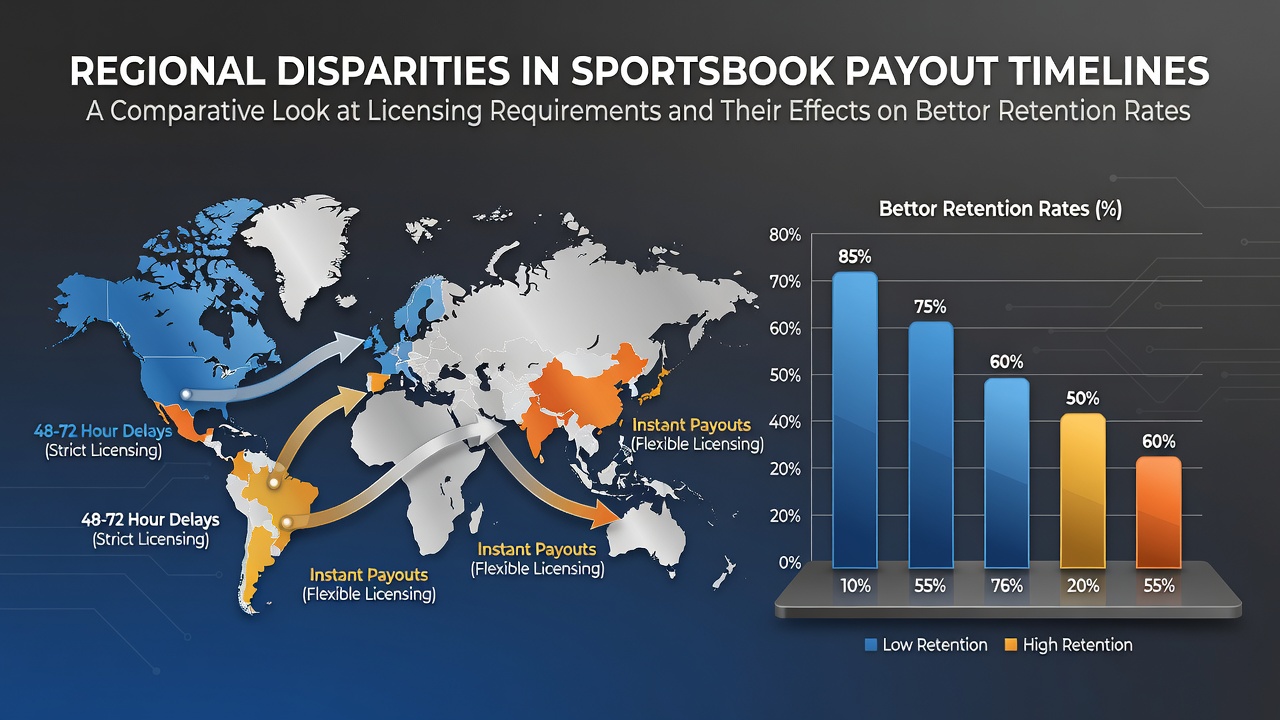
Regional Disparities in Sportsbook Payout Timelines: A Comparative Look at Licensing Requirements and Their Effects on Bettor Retention Rates
Regional differences in sportsbook payout timelines stem directly from licensing frameworks that set distinct operational standards for operators, and these rules shape how quickly bettors receive winnings across jurisdictions. Licensing bodies in various areas impose requirements on verification procedures, reserve funds, and dispute resolution processes that determine whether payouts clear in hours or stretch across several business days.
Licensing Frameworks Across Key Markets
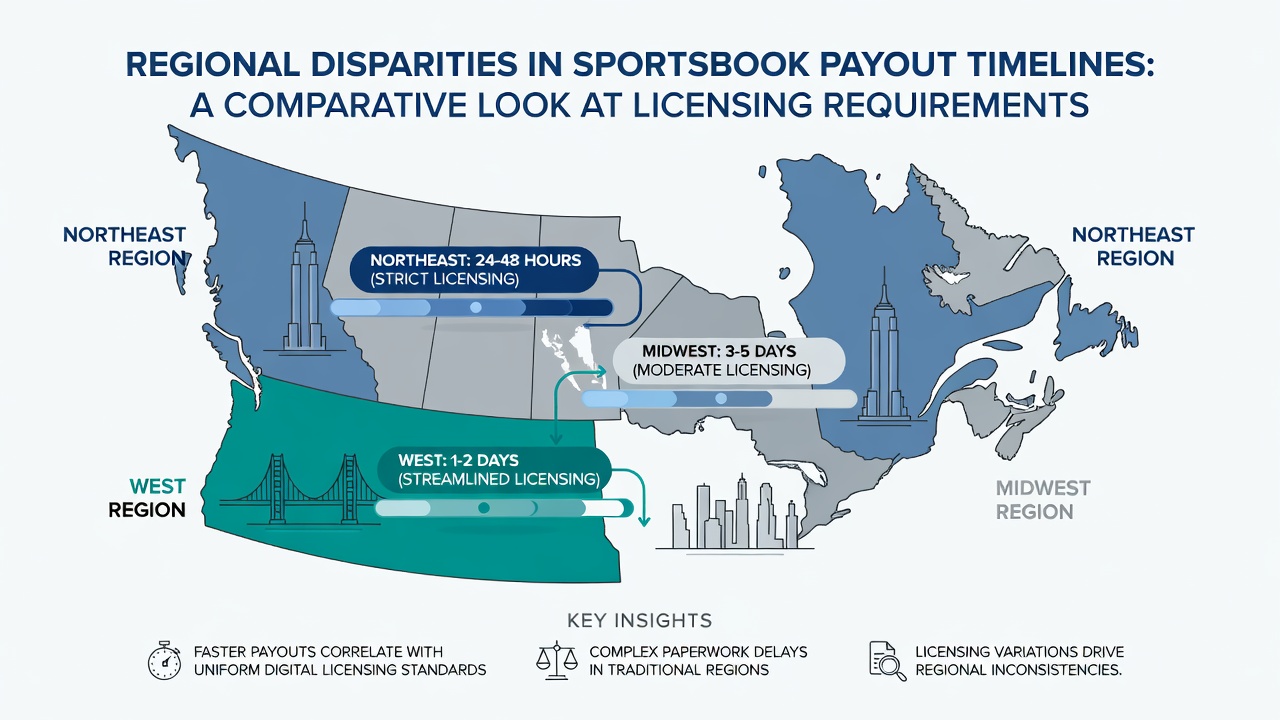
North American jurisdictions maintain separate approaches that create noticeable variations in processing speeds. Ontario's Alcohol and Gaming Commission enforces strict timelines for player fund segregation and requires operators to maintain dedicated accounts that support same-day or next-business-day withdrawals once verification completes, while certain U.S. state commissions allow extended windows tied to multi-step identity checks and banking integrations. These differences arise because each regulator sets its own thresholds for financial stability reporting and player protection protocols.
European markets operate under frameworks that emphasize consumer safeguards yet produce varied outcomes depending on the licensing authority. Malta's gaming authority mandates detailed audit trails and rapid fund release mechanisms for compliant operators, whereas other EU member states permit additional layers of review that extend average payout durations. Data from regulatory filings indicates that operators licensed in jurisdictions with centralized payment monitoring systems achieve faster average clearance rates compared with those subject to fragmented state-level oversight.
Impact on Bettor Retention Metrics
Studies tracking user behavior show that payout speed correlates with continued engagement levels across platforms. When operators deliver funds within 24 hours, retention rates remain higher in subsequent months according to aggregated industry reports, because players experience fewer interruptions in their betting cycles. Slower processing periods, often exceeding 72 hours, coincide with measurable drops in repeat activity as users migrate toward platforms with more responsive withdrawal systems.
Research conducted by academic groups examining licensed markets reveals that retention improvements appear most pronounced in regions where licensing explicitly ties payout performance to license renewal criteria. Operators facing potential sanctions for repeated delays adjust internal processes to meet those benchmarks, which in turn stabilizes player bases over longer periods. Figures from 2025 through mid-2026 indicate retention differentials of 15 to 25 percent between fast and slow payout markets when other variables such as odds and promotions remain comparable.
Payment Infrastructure and Regulatory Influence
Technological requirements embedded in licensing conditions further influence timelines. Jurisdictions that mandate integration with specific banking rails or instant payment networks see operators adopt solutions that reduce friction at the withdrawal stage. In contrast, regions relying on legacy bank transfer protocols experience bottlenecks during high-volume periods, particularly around major sporting events. As of July 2026 several licensing authorities continue to evaluate updates to these infrastructure rules in response to evolving payment technology standards.
One analysis of Canadian provincial data compared retention patterns before and after Ontario introduced enhanced payout verification guidelines, and results demonstrated sustained increases in active accounts among users who completed at least one withdrawal cycle under the new framework. Similar patterns emerge in Australian states where licensing conditions require transparent communication of expected processing windows, leading operators to align internal operations more closely with stated timelines.
Comparative Data Points from Licensed Operators
Operators holding multiple licenses report internal metrics that highlight how regulatory environments affect performance. Platforms active in both fast-payout and extended-timeline markets allocate resources differently, with dedicated compliance teams monitoring jurisdiction-specific rules to avoid penalties. Retention data collected across these multi-license portfolios shows that users in stricter payout regimes maintain higher lifetime values when withdrawal reliability remains consistent.
Industry associations tracking global trends note that transparency requirements within licensing applications often include projected payout statistics, and regulators review these projections during renewal evaluations. This oversight mechanism encourages operators to refine their operational workflows rather than treat payout speed as a secondary operational detail.
Conclusion
Licensing requirements establish the boundaries within which sportsbook operators manage payout processes, and those boundaries produce measurable regional differences in both processing speeds and subsequent player retention outcomes. Jurisdictions that embed specific performance standards into licensing conditions tend to see operators maintain higher engagement levels among their user bases. Continued monitoring of regulatory updates through 2026 and beyond will determine whether additional markets adopt similar structures that prioritize timely fund access as a core compliance element.