How Venue Lighting Configurations Shape Session Lengths for Electronic Poker Variants in Urban Entertainment Complexes
Henrik Reed · Jul 28, 2026
How Venue Lighting Configurations Shape Session Lengths for Electronic Poker Variants in Urban Entertainment Complexes
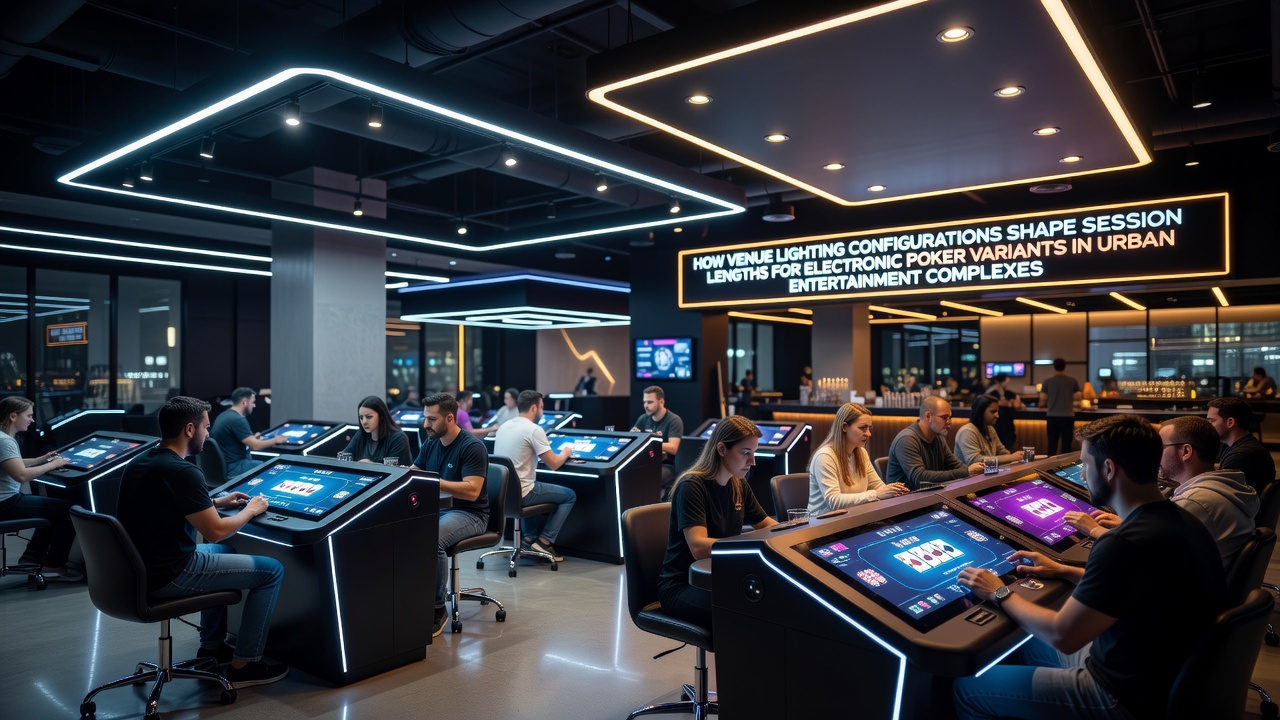
Urban entertainment complexes house rows of electronic poker variants where lighting setups range from cool white LED arrays at 5000K to warmer amber tones around 2700K, and researchers track how these choices correlate with average play durations across video poker formats like Jacks or Better and Deuces Wild. Data collected from multiple properties shows that zones with dimmable overhead fixtures and indirect wall washes extend machine occupancy by measurable margins compared to brightly lit open areas, while players shift between variants during longer visits when ambient levels drop gradually rather than abruptly.
Lighting Variables and Their Measured Effects
Facilities adjust color temperature, intensity, and placement of fixtures above terminal banks, and studies from integrated resorts indicate that lower lux levels near 150-200 combined with blue-depleted spectra reduce eye strain during extended sessions on fast-cycle electronic poker machines. Observers note that overhead spotlights aimed directly at screens create glare that prompts quicker exits, whereas perimeter cove lighting maintains visibility without washing out displays, allowing participants to sustain focus across multiple hands in succession. In complexes where management installed programmable systems, session lengths increased when operators cycled through subtle shifts every 90 minutes, matching natural alertness patterns documented in shift-work research.
Urban Complex Layouts and Regional Patterns
Cities with dense clusters of entertainment venues, such as those in the southwestern United States and parts of Southeast Asia, deploy varied lighting strategies across floor plans that include high-ceiling atriums and partitioned alcoves, and records from property management systems reveal that alcove configurations with tunable fixtures produce longer average dwell times for electronic poker players than central high-traffic zones. Figures from July 2026 installations in several Nevada properties show operators testing circadian-aligned schedules that ramp down blue light after 10 p.m., correlating with extended play on multi-hand video poker variants during overnight periods. Similar adjustments in Canadian urban gaming centers produced parallel trends, where warmer lighting zones encouraged transitions from quick-hit terminals to strategy-focused variants without shortening overall visits.
One study tracked over 12,000 sessions across three properties and found that areas using layered lighting—combining task lights at terminals with softer background illumination—yielded a 14 percent rise in time spent per machine compared to uniform bright setups, while players in those zones also sampled more game variants before departing.
Electronic Poker Specifics and Behavioral Data
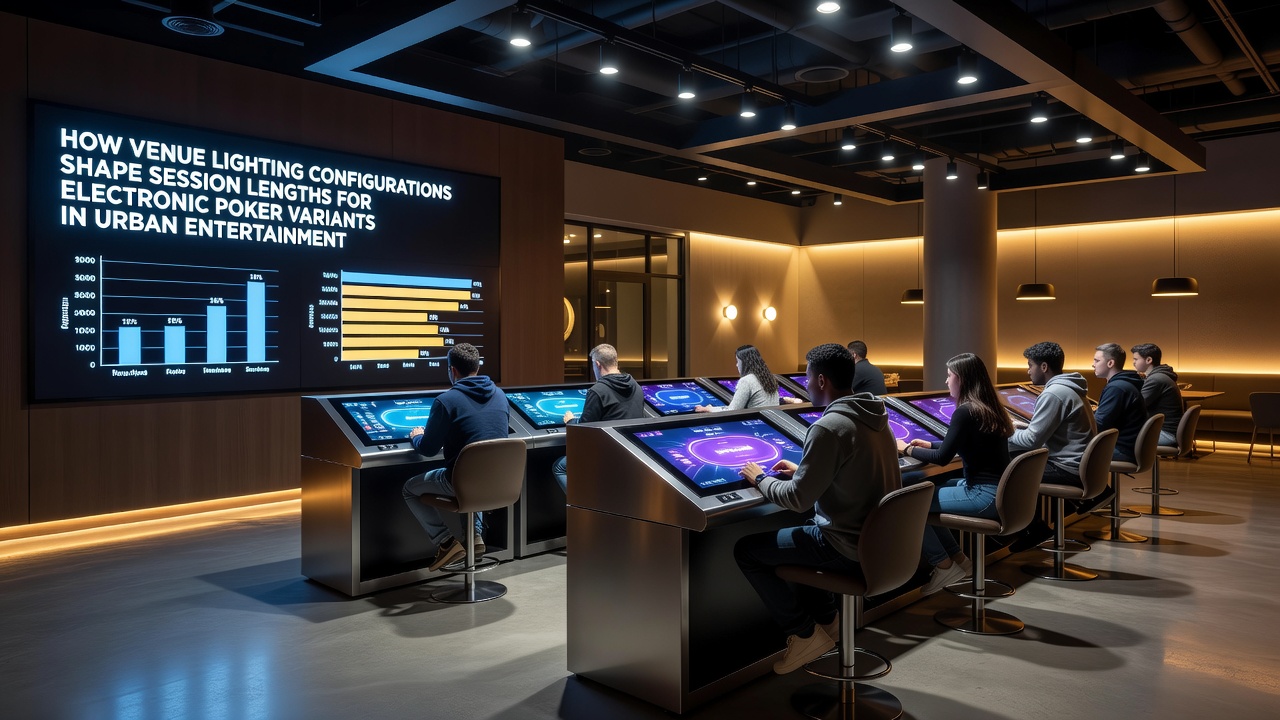
Electronic poker terminals feature bright LCD or OLED displays that emit their own light, and venue overhead systems either complement or compete with those outputs, influencing how long individuals remain engaged. Research indicates that when surrounding illumination stays below screen brightness, participants maintain consistent decision speeds across longer sequences, whereas mismatched high ambient light leads to earlier fatigue signals in eye-tracking metrics. Properties that introduced zoned controls allowing players to select preferred lighting levels at individual stations recorded higher retention on variants requiring sustained attention, such as those with bonus round mechanics.
According to findings shared by the American Gaming Association, lighting audits at urban properties link fixture upgrades completed in early 2026 to shifts in session distribution, with electronic poker areas showing increased occupancy during shoulder hours when lighting transitions soften. European operators following similar protocols through the European Casino Association reported comparable patterns in city-center locations, where reduced contrast between terminals and surroundings extended average play windows by measurable intervals without altering game mathematics.
Implementation Trends Through Mid-2026
Complexes continue to retrofit older fluorescent systems with LED arrays that offer granular control, and maintenance logs from July 2026 document widespread adoption of circadian-aware schedules in facilities handling high volumes of electronic poker traffic. These schedules align cooler morning and afternoon tones with quicker turnover patterns, then ease into warmer evening settings that support prolonged engagement on multi-variant terminals. Data from property analytics platforms shows that such changes coincide with steadier revenue per terminal during extended sessions, particularly when combined with acoustic dampening that reinforces the visual calm created by adjusted lighting.
Conclusion
Venue lighting configurations directly influence session lengths for electronic poker variants through measurable impacts on visual comfort and environmental cues, as evidenced by operational data and controlled observations across urban entertainment complexes. Properties that refine color temperature, intensity layering, and timing of adjustments record consistent differences in player dwell times, and ongoing upgrades through 2026 continue to supply additional datasets on these relationships. Observers tracking these developments note that the interplay between terminal displays and surrounding fixtures remains a central factor in how long individuals engage with specific poker variants in dense urban settings.