How Player Tracking Systems Reveal Trends in Multi-Game Session Behaviors at Integrated Resort Properties
Henrik Reed · Jun 2, 2026
How Player Tracking Systems Reveal Trends in Multi-Game Session Behaviors at Integrated Resort Properties
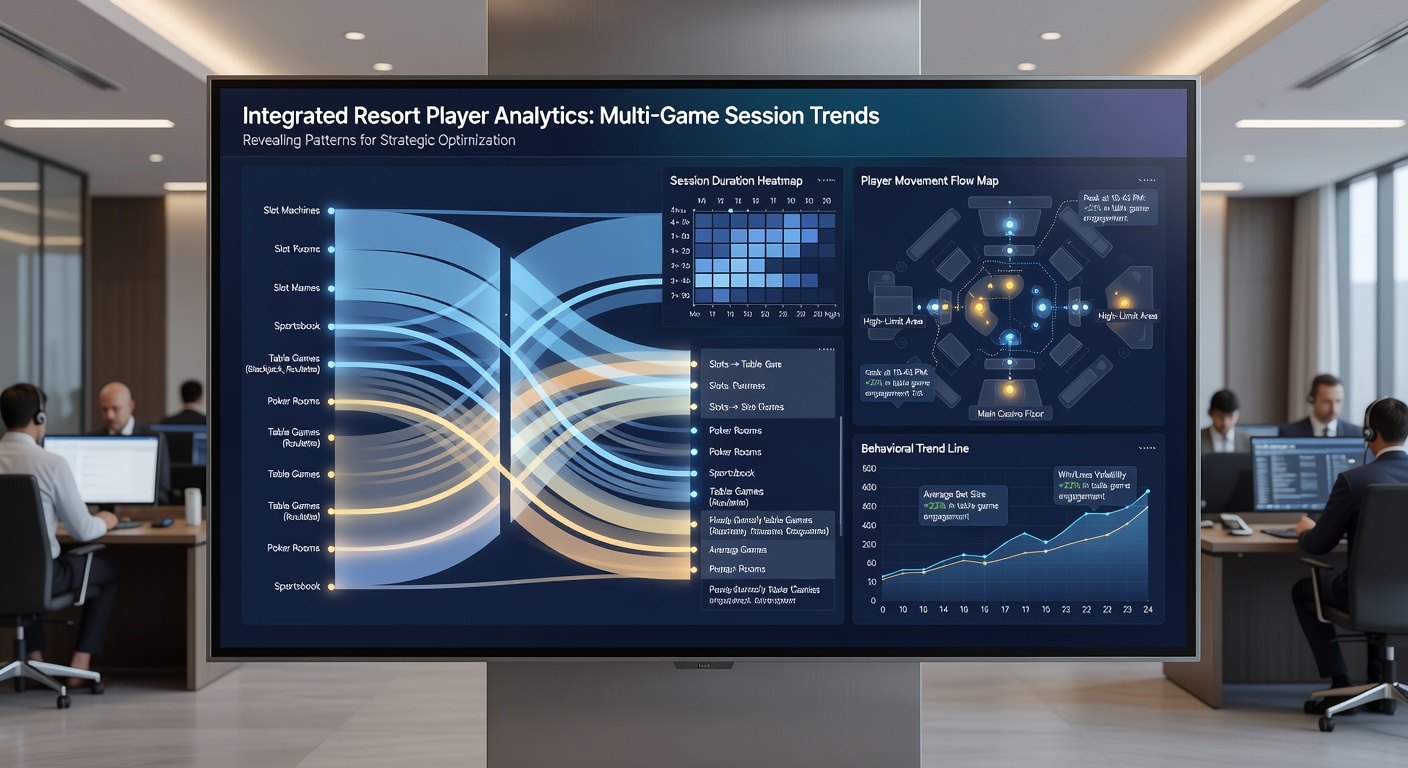
Integrated resort properties combine casino gaming with hotels, restaurants, entertainment venues, and retail spaces, and player tracking systems collect detailed data on how visitors move between different games during single visits or across multiple days. These systems rely on loyalty cards, mobile apps, RFID-enabled tables, and slot machine interfaces that log every wager, game type, and time interval without requiring manual input from staff. Data shows patterns such as players beginning sessions on slot machines before shifting to table games like blackjack or roulette, with average transition times ranging from 45 to 90 minutes according to aggregated reports compiled through June 2026.
Data Collection Mechanisms in Multi-Game Environments
Modern tracking platforms record entry and exit points at gaming stations while capturing bet sizes, win-loss ratios, and dwell times at each machine or table, which allows analysts to map sequences where individuals switch from electronic games to live dealer options or vice versa. In properties spanning large footprints, sensors integrated with hotel key cards further link gaming activity to non-gaming spending, revealing that visitors who play multiple game categories often extend their overall property stays by 20 to 35 percent compared with single-game participants. Researchers at institutions such as the University of Nevada, Reno have documented these flows through anonymized datasets that highlight clustering around peak evening hours when table game occupancy rises after initial slot play periods conclude.
Observed Behavioral Patterns Across Game Types
Analysis of session logs indicates that many tracked players follow predictable progressions, starting with low-volatility slots for warm-up periods before migrating to higher-stakes poker or baccarat tables, while others alternate rapidly between video poker variants and sports betting kiosks within the same two-hour window. Figures from resort operators in the Asia-Pacific region demonstrate that multi-game hoppers generate longer cumulative play durations, averaging 3.8 hours per visit versus 2.1 hours for those remaining at one station, and these trends hold steady when cross-referenced against regulatory filings submitted to bodies like the Casino Regulatory Authority of Singapore. What's notable is how weather events or entertainment schedules influence these shifts, with indoor gaming spikes occurring during outdoor event downtimes that pull crowds back into the casino floor.
Integrated systems also flag when participants pause for meals or shows and then resume play on entirely different game categories, creating datasets that show elevated cross-game activity among loyalty program members who receive targeted offers based on prior session variety. Observers note consistent upticks in table game engagement following slot machine jackpots, as winners often seek social play environments to extend their visits, and these correlations appear in monthly summaries released by the Nevada Gaming Control Board covering properties across the Las Vegas Strip and regional markets. Such insights help operators adjust floor layouts, positioning high-traffic transition zones near popular amenities to capture additional playtime without disrupting natural movement flows.
Applications for Operational Adjustments and Marketing
Resort management teams use aggregated trend reports to refine staffing schedules at tables and machines, increasing dealer rotations during identified switch periods that occur most frequently between 8 PM and midnight on weekends. Marketing departments leverage the same information to craft personalized incentives, such as bonus credits for trying new game types after completing a minimum number of spins or hands, which data indicates can raise return visit rates by measurable margins when implemented across integrated properties. Studies conducted by the Australian Institute of Criminology have examined similar datasets from regional resorts, confirming that multi-game tracking reveals demographic differences, with younger visitors displaying higher rates of rapid game switching compared with older cohorts who favor extended sessions at fewer stations.
Security and compliance divisions monitor these patterns for irregularities, cross-checking against responsible gaming markers that surface when session lengths or game variety exceed established thresholds in individual profiles. Integration with property-wide Wi-Fi and app-based notifications allows real-time adjustments, such as offering seat reservations at upcoming table games when tracking systems detect players concluding slot play nearby. Through June 2026, several major operators reported deploying enhanced AI layers on top of existing platforms to predict these transitions with greater accuracy, resulting in optimized promotional timing that aligns with actual observed behaviors rather than generic assumptions.
Conclusion
Player tracking systems at integrated resorts deliver granular visibility into how visitors navigate multiple gaming options within single or repeated sessions, supplying operators with evidence-based inputs for layout planning, staffing, and promotional design. The data streams generated across global markets continue to expand in scope as sensor technology and mobile integration advance, providing ongoing snapshots of behavioral sequences that remain consistent in structure while varying by location, season, and guest demographics. Regulatory oversight from multiple jurisdictions ensures these systems operate within defined privacy parameters, maintaining focus on aggregate trends that inform property management without compromising individual anonymity.