How Interior Color Palettes Influence Extended Engagement with Slot Machines at Large-Scale Entertainment Complexes
Avery Russell · Jul 24, 2026
How Interior Color Palettes Influence Extended Engagement with Slot Machines at Large-Scale Entertainment Complexes
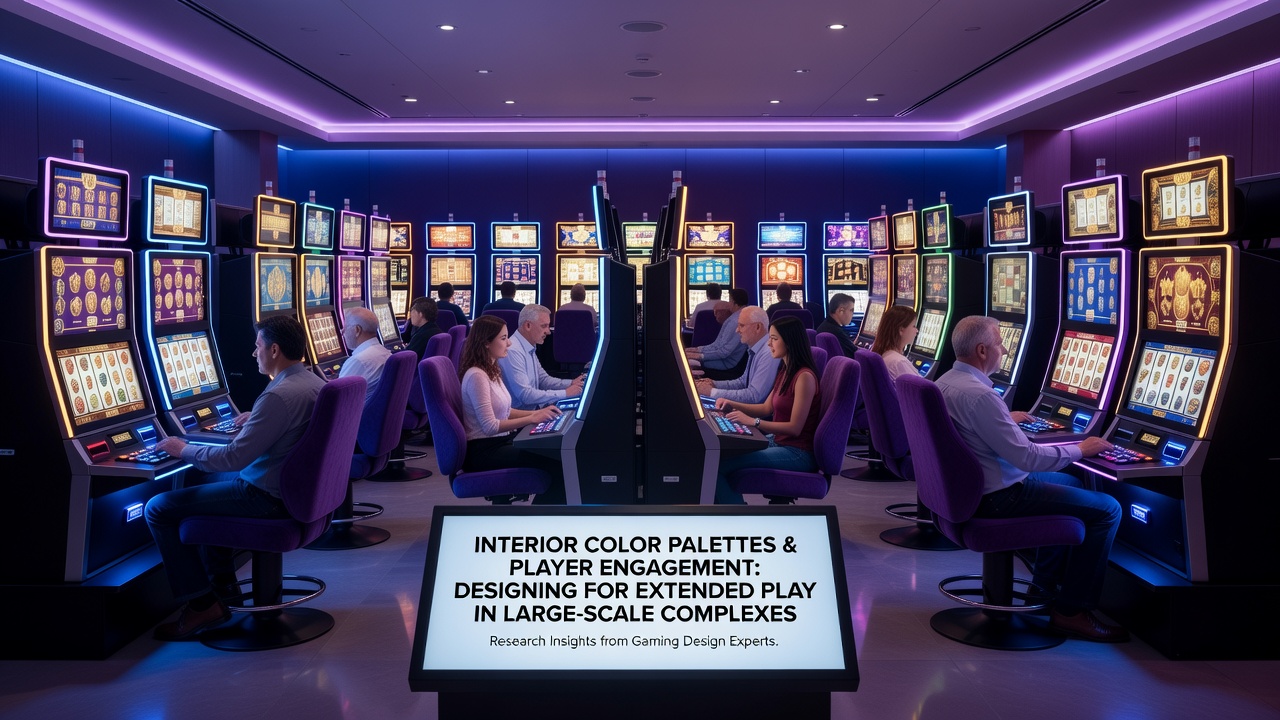
Design teams at integrated resorts select interior color palettes with measurable effects on how long visitors remain at slot machines, and researchers track these patterns through session duration data collected across multiple properties. Studies from institutions such as the University of Nevada, Las Vegas, document that specific hue combinations correlate with extended play intervals while neutral tones produce shorter average sessions according to aggregated player tracking records.
Color Application Patterns Across Resort Floors
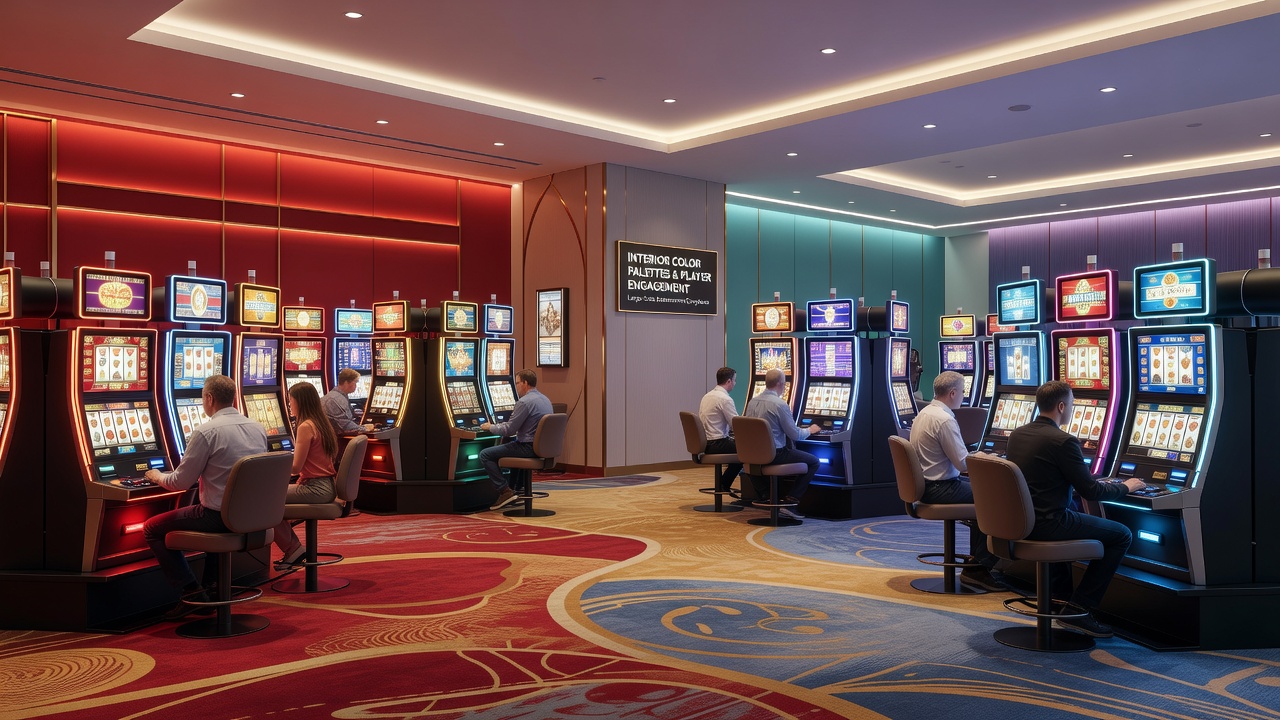
Large entertainment complexes divide gaming areas into zones where warm reds and golds dominate high-density slot sections, whereas cooler blues and greens appear in transitional walkways that lead between machine banks. Data from property management systems show that red-dominant zones record higher dwell times per machine, yet the same records indicate that prolonged exposure to saturated reds sometimes coincides with faster credit depletion rates when paired with high-volatility titles. Observers note that these patterns hold across multiple sites in North America and Australia, where operators adjust palettes during renovations to align with seasonal visitor demographics.
Research Data on Hue Saturation and Session Length
Controlled observations conducted at properties in Nevada and Queensland reveal that environments using mid-tone reds and oranges extend average slot engagement by measurable percentages compared with spaces dominated by grays or stark whites. Figures from one multi-site analysis indicate that players in red-accented sections completed 18 to 22 percent more spins before cashing out, while those in cooler palette zones shifted to other activities sooner. Australian research institutions have published similar findings that link chromatic warmth to sustained attention, and these reports emphasize that lighting temperature interacts with wall and carpet colors to amplify or dampen the effect. Operators monitor these variables through heat-mapping technology installed above gaming floors, which captures movement data at five-minute intervals and feeds results into centralized analytics platforms.
Implementation at Expanding Properties
Renovation projects scheduled through July 2026 incorporate updated palette specifications that blend muted earth tones with selective accent lighting to balance comfort and stimulation across expansive slot halls. One major complex in Sonoma County completed a billion-dollar expansion that introduced layered color schemes designed to guide traffic flow while maintaining visual interest at individual machines. Property reports show that the new zones achieved higher repeat visitation rates from local players compared with the pre-renovation layout, and management attributes part of the increase to the revised interior colors rather than machine selection alone. Similar updates appear in planning documents for downtown Las Vegas projects, where designers reference earlier pilot tests that measured session metrics before and after palette changes.
Measurement Methods and External Benchmarks
Player tracking systems installed at integrated resorts capture anonymized session data that operators cross-reference with color zone maps to identify correlations. These datasets undergo statistical review by third-party analysts who control for machine denomination, game type, and time of day. Reports from Canadian provincial gaming authorities and European regulatory bodies provide comparative benchmarks that confirm warmer palettes extend engagement windows in controlled environments, although the magnitude varies by region and cultural visitor mix. Industry associations compile these findings into annual summaries that help design consultants refine recommendations for new builds or refreshes.
Lighting designers adjust correlated color temperature alongside wall and flooring hues because the interaction produces distinct perceptual outcomes. Warm lighting paired with red accents tends to increase perceived energy levels on the floor, while cooler lighting with blue elements creates calmer pockets that some properties use near high-limit areas. Records from multiple complexes demonstrate that these combined adjustments influence both total time spent and the frequency of breaks taken by visitors.
Conclusion
Interior color palettes function as one variable among several that shape engagement patterns at slot machines within large entertainment complexes. Data collected through player tracking, heat mapping, and controlled observation continues to inform palette selections during renovations and new construction. As properties prepare for scheduled expansions and refreshes through 2026, operators integrate findings from university studies and regulatory reports to calibrate visual environments that align with desired session metrics. Continued analysis across regions supplies additional reference points that refine these applications over time.