How Emerging Payment Technologies Are Reshaping Transaction Speeds at Licensed Betting Sites
Jonas Schmid · May 31, 2026
How Emerging Payment Technologies Are Reshaping Transaction Speeds at Licensed Betting Sites
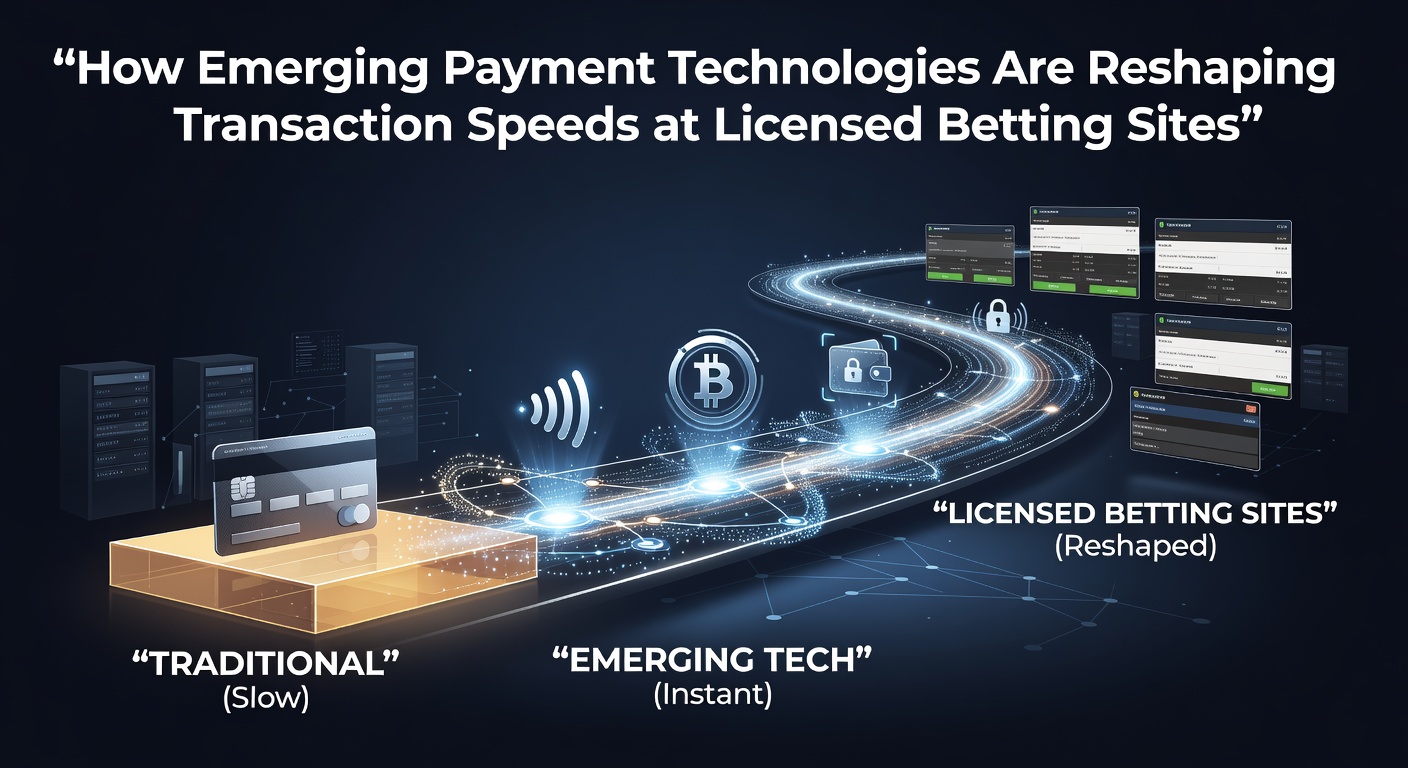
Licensed betting sites have processed payments through traditional banking channels for decades and those methods often required several business days to complete deposits and withdrawals, yet emerging payment technologies have introduced faster alternatives that reduce processing times significantly. Data from industry reports shows that blockchain-based systems and real-time payment networks now handle many transactions in under a minute at sites operating under various regulatory frameworks around the world.
Traditional Transaction Challenges in Licensed Betting
Bank transfers and credit card payments formed the backbone of betting site operations for years while users frequently encountered holds that lasted 24 to 72 hours during verification stages, and withdrawal requests sometimes took up to five business days to reach player accounts according to records maintained by state regulators in the United States. These delays stemmed from intermediary banks that conducted manual reviews plus anti-money laundering checks required by law, and such steps created bottlenecks even at well-established platforms licensed in Nevada or New Jersey.
Blockchain Integration and Its Effects on Speed
Blockchain networks entered the betting sector around 2018 and they allow direct peer-to-peer transfers without central clearinghouses so deposits appear in player balances almost instantly once the network confirms the block. Licensed operators in multiple jurisdictions now accept cryptocurrencies like Bitcoin and Ethereum alongside stablecoins that maintain consistent value and these options cut transaction times from hours to seconds in many documented cases. Research from academic studies at institutions tracking fintech adoption indicates that sites using permissioned blockchains achieve settlement speeds up to 100 times faster than legacy systems while still complying with know-your-customer rules through integrated identity layers.
Observers note that volatility concerns led many platforms to pair crypto options with automated conversion tools that lock in exchange rates at the moment of deposit and this approach maintains speed advantages without exposing users to price swings during the brief window of a transaction.
Instant Payment Systems and Digital Wallets
Real-time payment rails such as those developed under the European Union's revised payment services directives and similar frameworks in Australia and Canada have enabled licensed betting sites to offer deposits that clear in seconds rather than days. Digital wallets from providers that connect directly to bank accounts bypass card networks entirely and data collected by gaming associations shows average deposit completion times dropped below 10 seconds at compliant operators by early 2026. These systems rely on application programming interfaces that verify funds availability immediately while routing the transfer through secure channels that satisfy regulatory audits in the relevant regions.
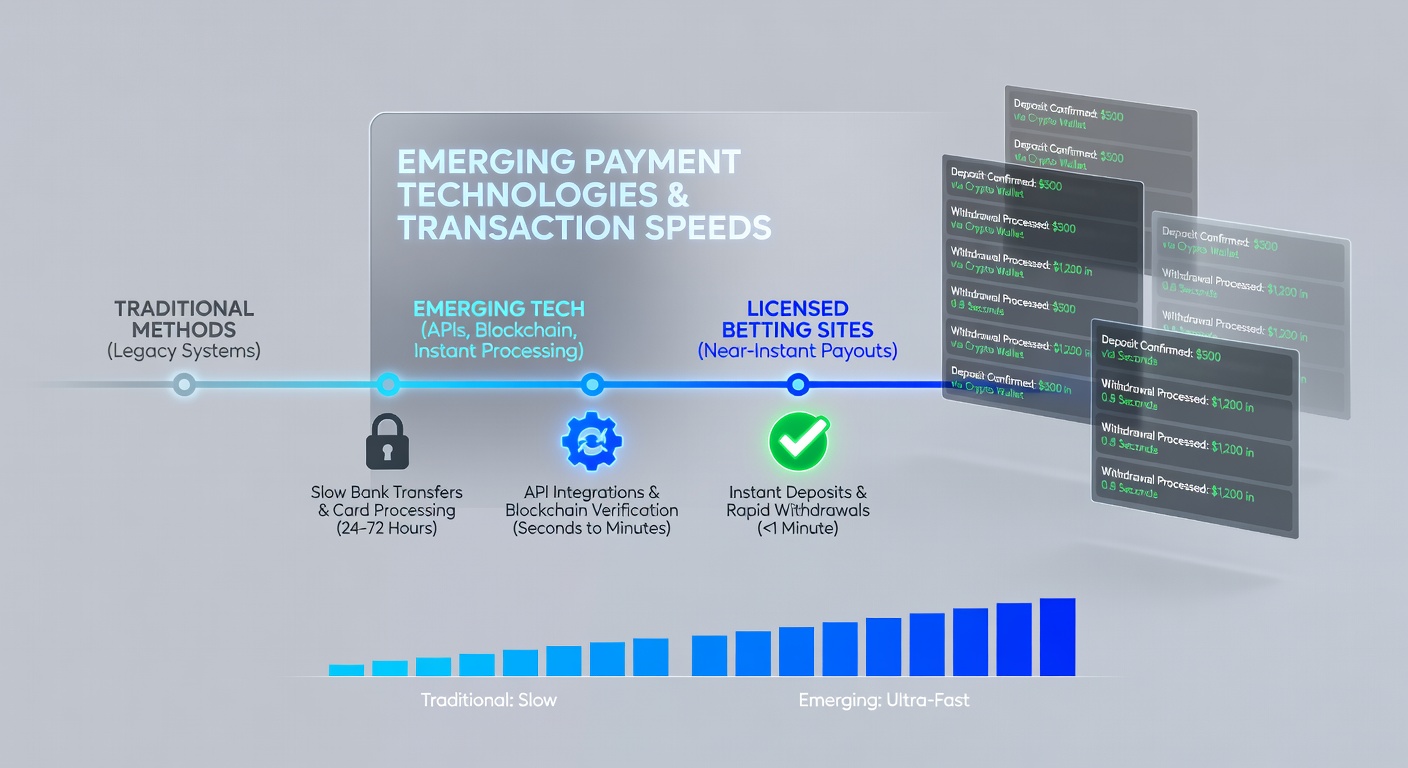
One study released by a Canadian research group examined transaction logs from Ontario-licensed sites and found that wallet-based withdrawals processed in an average of 12 minutes compared with the previous average of 36 hours under older methods. Such improvements occurred because the technology authenticates the user once at setup and then handles subsequent transfers through tokenized credentials that reduce repeated verification steps.
Regulatory Influences on Technology Adoption
Government agencies in different regions have shaped how quickly these tools reach licensed betting environments with the Alcohol and Gaming Commission of Ontario requiring all new payment integrations to undergo security testing before approval and similar standards apply through bodies like teh Nevada Gaming Control Board. These rules ensure that faster speeds do not compromise player protections yet they also encourage operators to adopt solutions that meet both speed and compliance benchmarks. Figures from trade organizations reveal that sites adapting early to approved instant payment methods saw a measurable rise in repeat transaction volumes during 2025 and into May 2026 as users responded to reduced wait times.
What's interesting is how cross-border considerations affect implementation since operators licensed in one jurisdiction often serve players in others and they must align their payment processors with multiple sets of rules simultaneously. This coordination has driven development of modular systems that can switch between different rails depending on the user's location while preserving the speed gains that define the new technologies.
Future Developments and Industry Trends
Artificial intelligence now assists in fraud detection layers that run in parallel with payment processing and these tools flag suspicious activity within milliseconds so legitimate transactions continue without added delays. Industry projections shared by research institutions suggest that by late 2026 most major licensed platforms will incorporate at least two emerging payment options that achieve near-instant settlement and this shift aligns with broader moves toward open banking standards in several countries. Operators continue to test combinations of blockchain ledgers with traditional banking APIs to create hybrid models that deliver both speed and the audit trails regulators require.
Conclusion
Emerging payment technologies have transformed transaction speeds at licensed betting sites by replacing slow intermediary steps with direct and verified pathways that operate in seconds rather than days. Blockchain solutions, instant payment networks, and advanced wallet systems each contribute distinct advantages while regulatory oversight ensures these gains occur within established compliance boundaries across regions. Data collected through 2026 demonstrates consistent reductions in processing times at sites that integrated these tools and ongoing developments point toward further refinements in speed and reliability for users worldwide.