Festival Timings Shape Keno Participation Patterns Across Tribal Gaming Venues
Henrik Reed · Aug 18, 2026
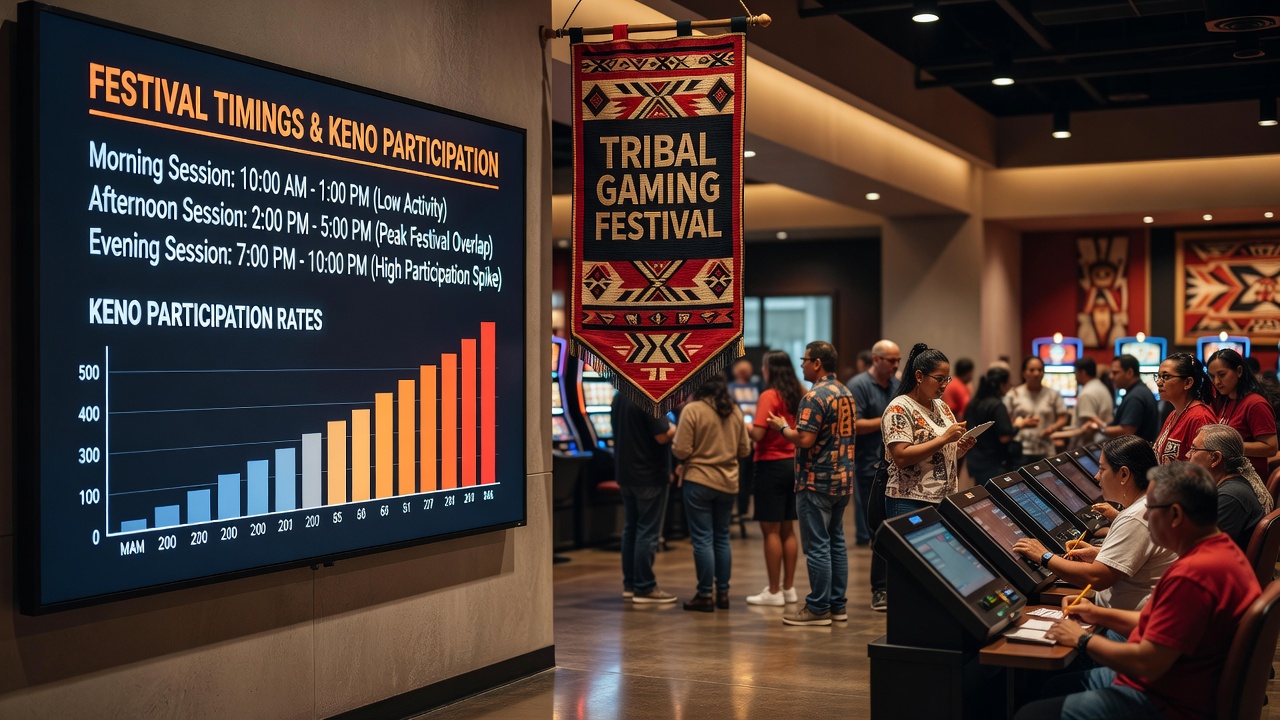
Festival Timings Shape Keno Participation Patterns Across Tribal Gaming Venues
Tribal gaming venues integrate keno into their offerings as a draw for steady foot traffic, yet participation rates shift noticeably when local festivals align with peak operating hours, and observers note that these events often coincide with changes in player volume during summer months including August 2026. Data from multiple properties shows that festival schedules create predictable spikes or dips depending on timing, duration, and proximity to the casino floor, while researchers track these fluctuations through session logs and ticket sales records compiled by venue operators.
Festival Categories and Their Typical Schedules
Cultural gatherings such as powwows, harvest celebrations, and music festivals occur on set calendars that tribal communities publish well in advance, and these events frequently run from late afternoon into late evening, overlapping directly with keno session peaks. Annual events in regions like the Southwest and Pacific Northwest often stretch across three to five days, drawing thousands of visitors who may pause at gaming areas between activities or after main performances conclude. Observers note that shorter one-day festivals produce sharper but briefer increases in keno play compared with multi-day affairs that sustain elevated traffic over successive evenings.
Timing Effects on Player Behavior and Ticket Sales
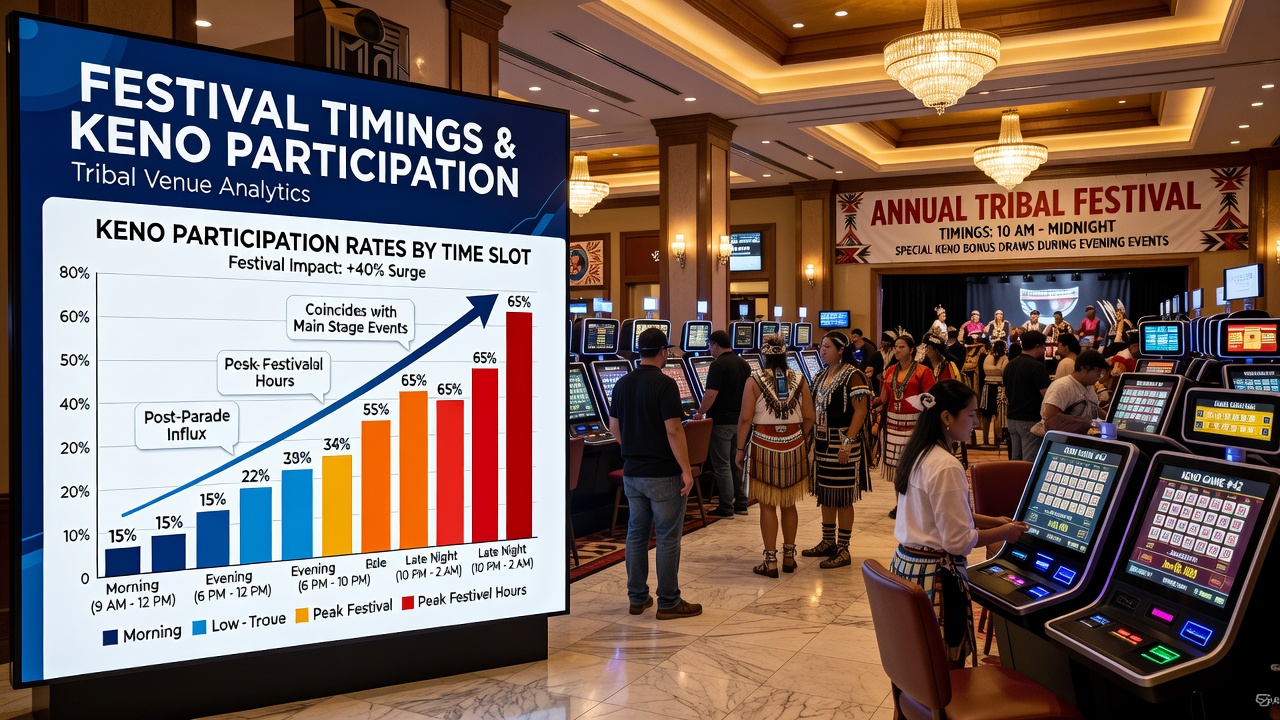
When festivals begin in the early afternoon, keno participation tends to rise during the dinner window as attendees seek quick games between outdoor activities and evening programs, whereas events that extend past midnight correlate with extended sessions among night owls who return to the casino floor after closing ceremonies. Studies compiled by regional gaming associations indicate that keno ticket volumes can climb 15 to 25 percent during festival weekends compared with non-event periods, yet the increase concentrates in specific hours rather than distributing evenly across the day. Properties that adjust keno drawing intervals to match festival break times report higher average bets per session, and those adjustments often occur in coordination with tribal event planners to maximize overlap without disrupting cultural programming.
Regional Data Patterns from Tribal Properties
Records maintained by the National Indian Gaming Commission reveal that venues in states with dense festival calendars experience measurable upticks in keno handle during July through September windows, and August 2026 data showed particular strength at properties near large-scale cultural events. Analysts compare these figures against baseline months and find that timing alignment matters more than raw attendance numbers, because dispersed crowds who arrive in waves produce steadier keno queues than concentrated surges that overwhelm floor capacity. Properties located within a short shuttle ride of festival grounds post stronger correlations than those farther away, and operators adjust staffing and terminal availability accordingly to capture the additional volume.
Operational Adjustments and Revenue Tracking
Venue managers monitor festival calendars months ahead and coordinate keno promotions that highlight drawings during high-traffic intervals, and these targeted offers often appear in event programs distributed at cultural sites. Revenue reports indicate that keno contribution to overall gaming income rises when festival timings allow players to combine cultural participation with casino visits in a single outing, while isolated late-night festivals sometimes produce smaller gains because attendees disperse before returning. Research from the University of Nevada Gaming Innovation Lab has examined multi-year datasets and found that properties using real-time traffic sensors achieve better synchronization between festival peaks and keno staffing levels, resulting in fewer idle terminals during shoulder periods.
Conclusion
Festival timings exert clear influence on keno participation rates in tribal venues through their overlap with daily operating rhythms, and operators continue to refine scheduling strategies based on accumulated data. Continued monitoring through 2026 and beyond will clarify how evolving event calendars interact with player preferences across different regions and property sizes.