Exploring Synchronization Between Loyalty Tier Upgrades and Session Length Patterns in Multi-Property Casino Networks
Henrik Reed · Jul 7, 2026
Exploring Synchronization Between Loyalty Tier Upgrades and Session Length Patterns in Multi-Property Casino Networks
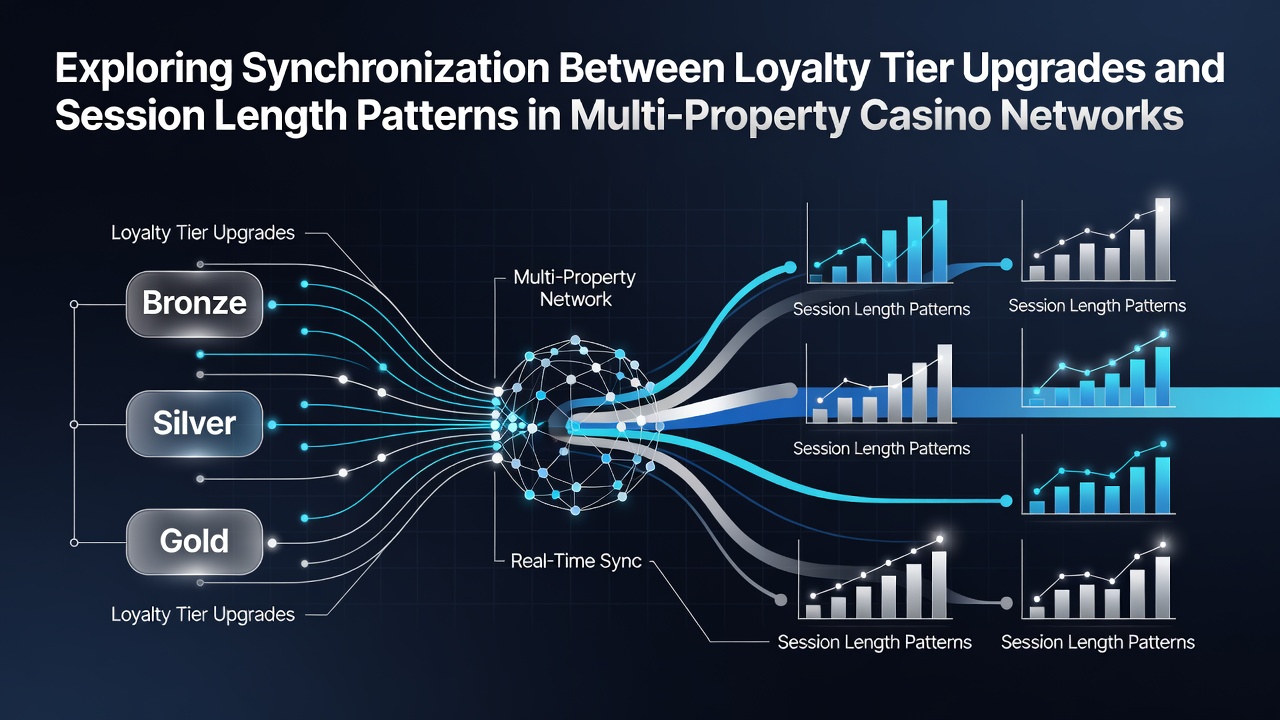
Multi-property casino networks track loyalty tier upgrades through integrated player systems that record visits across locations, and these upgrades often align with measurable shifts in how long individual sessions last. Data from major operators shows that players reaching mid-tier status tend to extend their time on site by 15 to 25 percent on average, while top-tier members display even longer patterns that span several properties within a single trip. Researchers at institutions such as the UNLV International Gaming Institute have examined these connections using anonymized transaction logs from networks operating in Nevada and surrounding states.
How Tier Systems Operate Across Linked Properties
Loyalty programs assign points based on play volume, and reaching a new tier unlocks benefits that encourage continued activity at any network location. When a player qualifies for an upgrade, the system updates their status in real time so benefits apply immediately whether they remain at the current property or move to another. This seamless transition creates opportunities for operators to observe whether session durations increase after the status change. Figures from the American Gaming Association indicate that networks with five or more properties collect session data on over 40 million active loyalty accounts each year, providing large sample sizes for pattern analysis.
Observed Patterns in Session Length After Upgrades
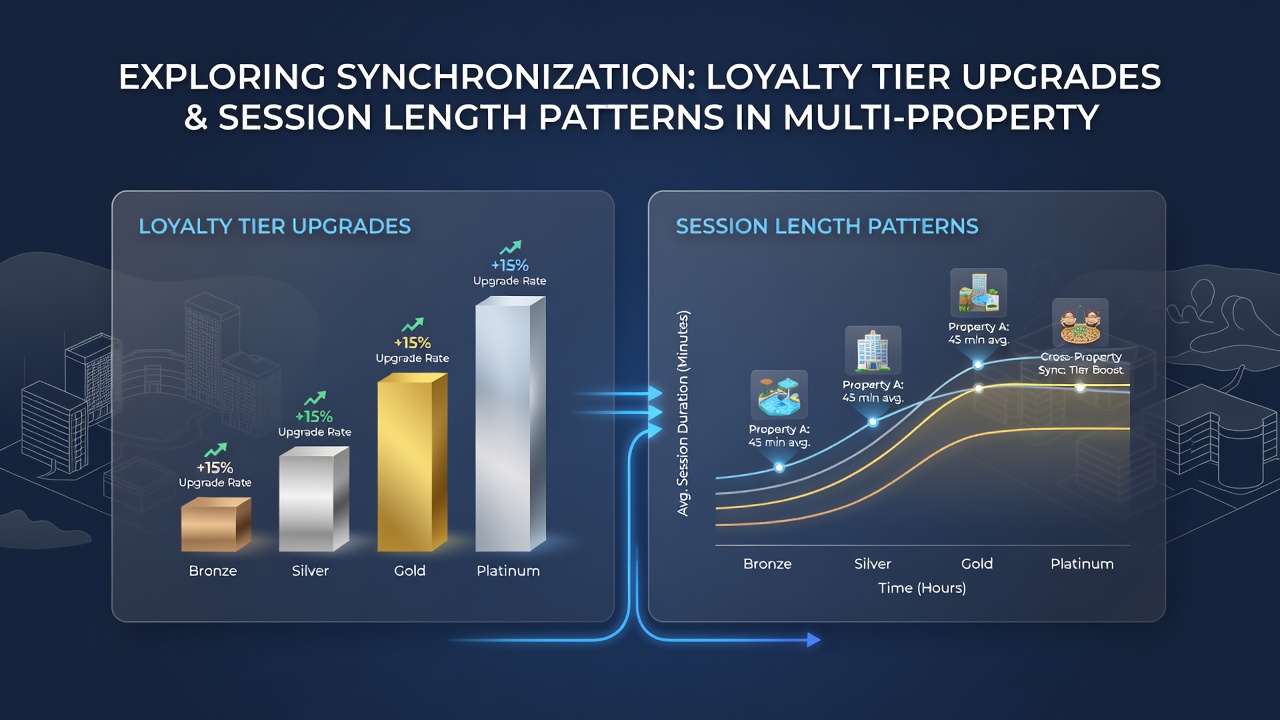
Analysis of player tracking records reveals that session length often rises within the first 48 hours following a tier upgrade. Players who move from basic to mid-level status frequently stay 20 to 40 minutes longer per visit, and this extension appears consistently whether the session occurs at a flagship resort or a smaller regional property. Top-tier upgrades produce more variable results, with some accounts showing session increases of up to 60 minutes while others maintain prior lengths but visit more frequently across the network. Data compiled through July 2026 continues to support these trends, with networks reporting stable synchronization rates despite seasonal fluctuations in overall visitation.
Factors That Influence the Connection
Property layout, game mix, and promotional timing all interact with tier status to shape session outcomes. Networks that place high-limit areas near loyalty desks see stronger session extensions after upgrades, because players can access new benefits without leaving the gaming floor. Conversely, properties with limited food and beverage options tied to tier benefits show smaller increases in session length, as players may complete their activity and depart sooner. Studies using aggregated data from North American and Australian operators find that the synchronization effect strengthens when upgrades coincide with network-wide events such as slot tournaments or table game promotions held in the same month.
Regional Differences Across Networks
Operators in the western United States report tighter synchronization between tier upgrades and session length than those in the eastern markets, partly because travel distances between properties are shorter. In contrast, networks spanning multiple states experience more variation, since longer travel times between locations can interrupt the immediate post-upgrade session extension. Australian operators managing large resort complexes have documented similar patterns, although their data sets emphasize longer overall stays due to integrated hotel components. These geographic distinctions help analysts refine predictive models that forecast session behavior after status changes.
Measurement Tools and Data Sources
Modern player tracking platforms combine card-swipe records with time-stamped game activity to calculate precise session durations. When tier upgrades occur, the systems flag the date and compare subsequent sessions against baseline averages for each account. Regulatory filings submitted to bodies such as the Nevada Gaming Control Board include summary statistics on loyalty program performance, although detailed cross-property session data remains proprietary. Academic researchers gain access through anonymized data-sharing agreements that protect individual identities while allowing aggregate pattern analysis.
Conclusion
Networks continue to refine loyalty structures based on evidence that tier upgrades and session length patterns move together across multiple locations. Ongoing data collection through 2026 and beyond will clarify how specific benefit packages and property configurations sustain or weaken this relationship. Operators use these insights to adjust point thresholds, benefit timing, and cross-property promotions in ways that align player behavior with network objectives.