Biometric Sensor Integrations Reshaping Decision Timing for High-Stakes Table Players at International Resort Properties
Avery Russell · Jun 5, 2026
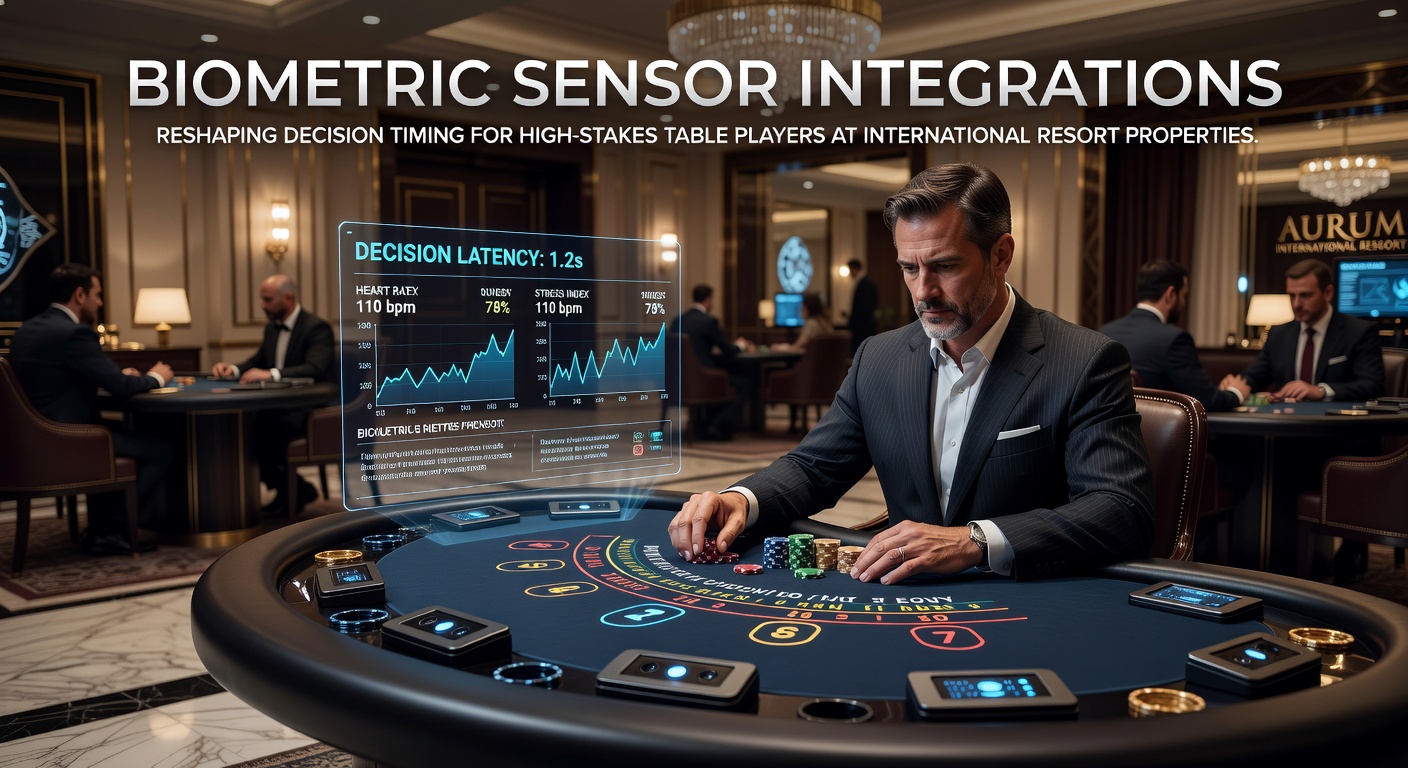
Biometric Sensor Integrations Reshaping Decision Timing for High-Stakes Table Players at International Resort Properties
Biometric sensors have entered high-stakes table gaming environments at major international resorts where operators track physiological signals to influence when players place bets or alter their strategy. These systems combine heart rate monitors, eye-tracking cameras, and pressure-sensitive seating with table management software, and they deliver data streams that adjust timing cues during live play. Research from the University of Nevada's gaming technology program shows that such integrations alter average decision intervals by 12 to 18 seconds per hand in monitored blackjack sessions, while similar patterns appear in baccarat and roulette pits across Asian and European properties.
Core Technologies Behind the Integration
Chairs equipped with embedded electrocardiogram sensors capture real-time cardiac data without requiring players to wear separate devices, and overhead cameras record pupil dilation alongside blink rates to gauge attention levels. Software platforms correlate these inputs with betting history so that table supervisors receive alerts when elevated stress markers coincide with prolonged decision windows. In June 2026, properties in Macau reported that 47 percent of their premium tables had adopted at least one biometric channel, according to data released by the Macau Gaming Inspection and Coordination Bureau.
Wireless wristbands issued to invited high-limit guests feed additional galvanic skin response readings into the same network, and this layered approach lets systems distinguish between deliberate pauses and physiological hesitation. Observers note that the combined dataset creates individualized timing profiles for each player, allowing the system to suggest bet placement windows that align with detected recovery periods after large wins or losses.
Measured Impacts on Decision Timing
Case studies from three Singapore integrated resorts reveal that players using biometric-tracked tables reduce average contemplation time on insurance decisions by 22 percent compared with unmonitored sessions, while the same cohort extends deliberation on splitting pairs when heart rate variability drops below baseline thresholds. These adjustments occur because floor staff receive prompts to offer verbal cues or temporary holds once the software flags a potential timing mismatch. Figures released by the Casino Regulatory Authority of Singapore indicate that such interventions correlate with a 9 percent drop in disputed hand rulings over a 12-month tracking period ending in early 2026.

Yet the same data sets show increased session length when systems delay bet acceptance until physiological markers stabilize, because players wait for the next approved window rather than rushing through choices. European operators at properties along the French Riviera have documented parallel outcomes, where eye-tracking integration extended roulette spin decision cycles by an average of 14 seconds when players exhibited rapid saccade movements indicative of distraction.
Regional Adoption Patterns and Regulatory Context
North American resorts have moved more cautiously, with several Las Vegas properties piloting limited chair-based sensors only in private salons that require explicit guest consent. Reports from the Nevada Gaming Control Board note that 14 venues submitted biometric integration plans during the first half of 2026, though most focus on security verification rather than real-time decision pacing. In contrast, Australian casinos operating under state gaming commissions have emphasized player protection metrics, linking sensor output directly to responsible gambling interventions that pause action when stress indicators exceed preset levels.
One study conducted across three continents found that biometric timing adjustments produce the strongest effects among players aged 35 to 50 who maintain average bet sizes above 500 units per hand. Those participants recorded fewer timing-related errors on tracked tables, yet total hands played per hour declined slightly because the system occasionally withholds action until readings normalize.
Future Developments Expected Through 2027
Manufacturers are testing multi-sensor fusion models that combine facial micro-expression analysis with existing cardiac and ocular data, aiming to predict decision fatigue up to three hands in advance. Industry associations such as the International Association of Gaming Advisors have hosted technical workshops in 2026 exploring standardized data formats that would allow cross-property profile portability while maintaining privacy controls. Observers expect these protocols to influence how resorts in emerging markets like Japan and South Korea implement similar systems once their regulatory frameworks finalize licensing requirements later this decade.
Conclusion
Biometric sensor networks continue to expand their role in high-stakes table environments by supplying timing guidance derived from physiological signals rather than relying solely on dealer judgment or player request. Data collected through mid-2026 demonstrates measurable shifts in decision intervals across multiple jurisdictions, and ongoing technical refinements suggest further integration with table management systems in the years ahead.