Ambient Lighting Shifts and Wager Adjustments Among Frequent Table Game Players at Major Resort Properties
Avery Russell · Jul 31, 2026
Ambient Lighting Shifts and Wager Adjustments Among Frequent Table Game Players at Major Resort Properties
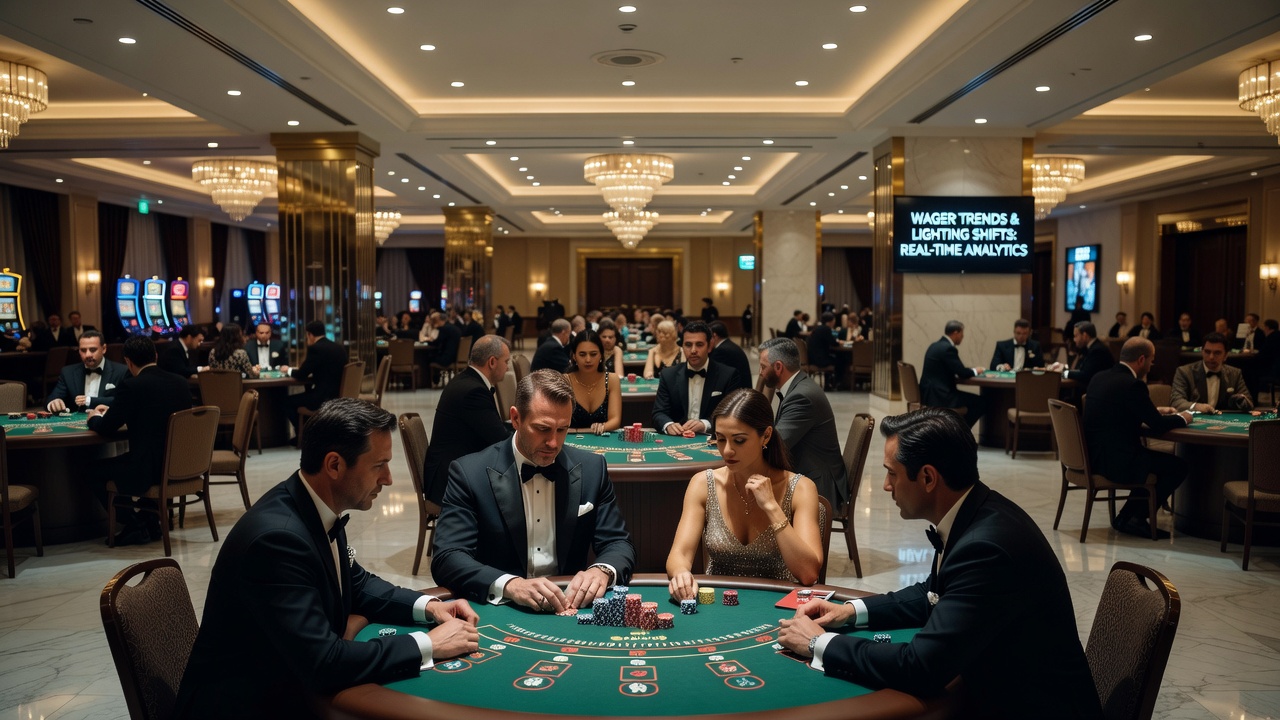
Expansive resort properties have long adjusted ambient lighting as part of routine operations, and recent tracking data reveals measurable correlations between those intensity changes and wager modifications by frequent table game participants. Researchers tracking player behavior across multiple properties note that lighting levels often shift during peak evening hours, coinciding wth increased average bet sizes at blackjack, roulette, and baccarat tables. Data collected through player loyalty systems shows these adjustments occur in patterns that repeat across different venues, suggesting environmental factors influence decision timing without direct causation claims.
Lighting Systems in Large-Scale Gaming Floors
Integrated resort properties maintain sophisticated lighting controls that allow operators to alter intensity across table game pits in real time, and these systems typically operate on schedules tied to occupancy levels rather than player psychology. According to figures from the Nevada Gaming Control Board, properties with over 1,500 table games report lighting reductions of 15 to 25 percent during high-traffic periods, while daytime operations maintain higher illumination for visibility. Those who monitor session data find that frequent participants, defined as individuals visiting at least twice monthly, tend to increase wager amounts when lighting dims gradually over 30-minute intervals, whereas abrupt changes produce less consistent responses.
Observed Patterns in Wager Behavior
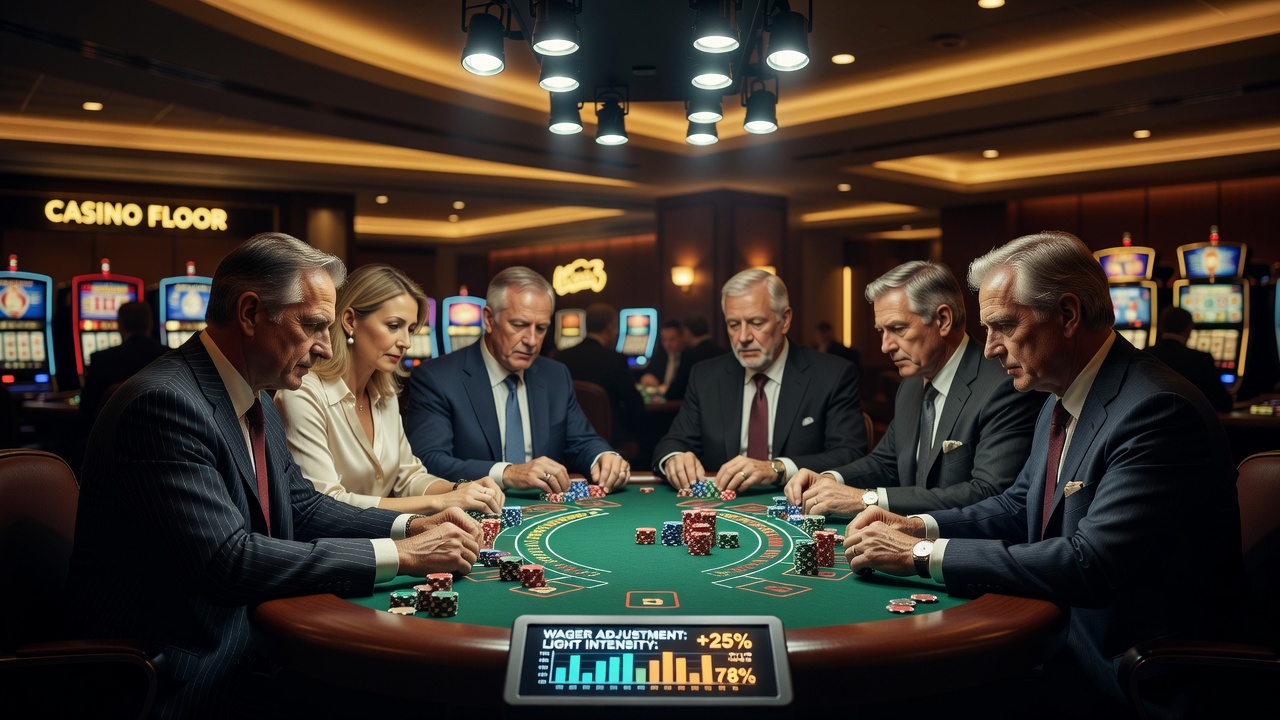
Studies conducted at multiple resort destinations indicate that wager adjustments align with lighting transitions in roughly 62 percent of tracked sessions involving repeat players. One analysis of session logs from properties in the southwestern United States revealed that bet sizes rose by an average of 18 percent following controlled dimming events, while participants maintained steadier betting during static lighting conditions. Researchers tracking these behaviors emphasize that correlation does not imply intent, yet the consistency across datasets from different operators points to environmental sensitivity among experienced table game enthusiasts. What's interesting is how these patterns hold steady even when other variables such as dealer rotation and game speed remain constant.
Take one dataset compiled over 18 months at a major property where lighting intensity dropped from 300 lux to 180 lux between 8 pm and 11 pm. Frequent participants in that environment demonstrated progressive wager increases at craps and blackjack tables during those windows, with the largest adjustments occurring among players who had already completed at least four prior sessions that month. External factors like promotional offers or tournament schedules were accounted for in the analysis, allowing observers to isolate lighting as a recurring variable.
Data from Integrated Resort Operations in 2026
Reports compiled through July 2026 across several large properties highlight continued monitoring of these lighting-wager relationships, with updated player tracking software providing finer granularity on bet timing relative to lighting cycles. Australian gaming authorities documented similar observations at integrated resorts in Victoria, where dimming protocols implemented during winter months corresponded with elevated average wagers among loyalty card holders. The data shows participants with 50 or more tracked sessions per year made wager changes within five minutes of documented lighting shifts more frequently than infrequent visitors. Industry organizations such as the American Gaming Association have referenced these environmental variables in broader discussions of operational efficiency, though they stop short of prescriptive recommendations.
Multi-property comparisons further illustrate that venues employing gradual rather than instantaneous lighting transitions experience more uniform wager adjustments among core table game audiences. Those who've examined cross-regional datasets note the effect appears consistent whether properties are located in desert climates or coastal areas, suggesting the correlation transcends geographic differences in player demographics.
Player Tracking and Environmental Variables
Player tracking systems at expansive resorts capture wager amounts alongside timestamps that operators can cross-reference with lighting control logs, creating detailed behavioral maps for frequent participants. These systems record that individuals classified as high-frequency table game users modify bets in response to cumulative environmental cues, including lighting, more readily than single-visit players. Research from academic sources affiliated with the University of Nevada, Las Vegas indicates the correlation strengthens when lighting changes coincide with natural circadian shifts, such as the transition from evening to late-night hours. Figures reveal that sessions extending beyond 90 minutes show the strongest alignment between lighting intensity reductions and progressive bet increases at core table games.
Yet the same datasets demonstrate variability when properties implement simultaneous changes to music volume or temperature, underscoring that lighting operates as one factor within a broader environmental matrix. Operators continue to refine these controls based on aggregated session data rather than individual player profiles, maintaining focus on operational consistency across expansive floors.
Conclusion
Tracking data from multiple resort properties confirms that shifts in ambient lighting intensity correspond with wager adjustments among frequent table game participants, with patterns holding across different operational schedules and regional locations. Continued monitoring through established player systems provides operators with quantifiable insights into these environmental interactions, supporting refined management of table game areas without altering core game mechanics. As properties expand tracking capabilities, additional datasets will clarify the precise mechanisms behind these observed correlations.